How to Choose the Best Power Solutions Solar for Your Energy Needs?
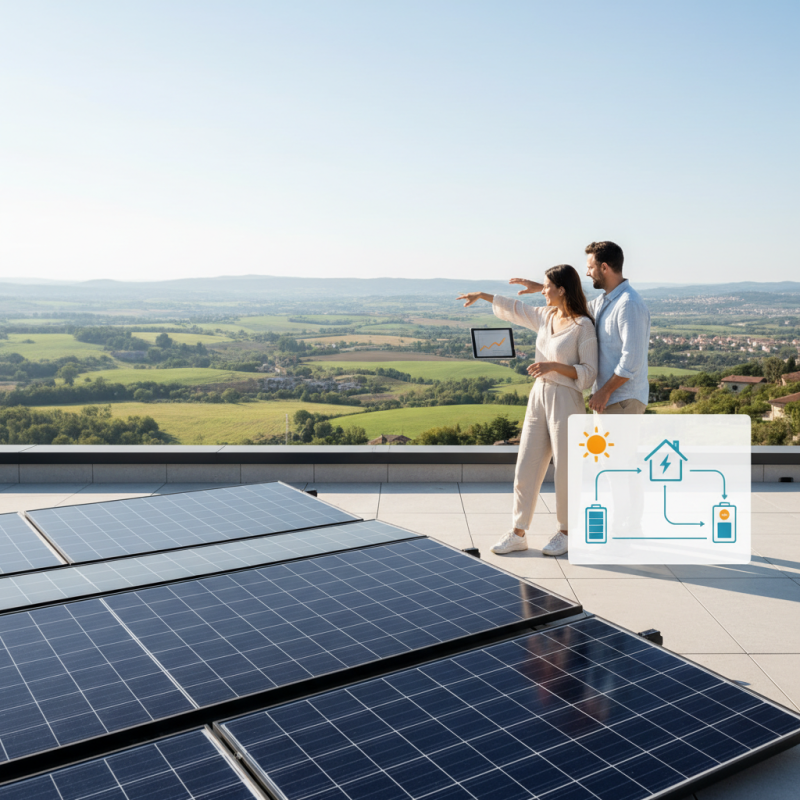
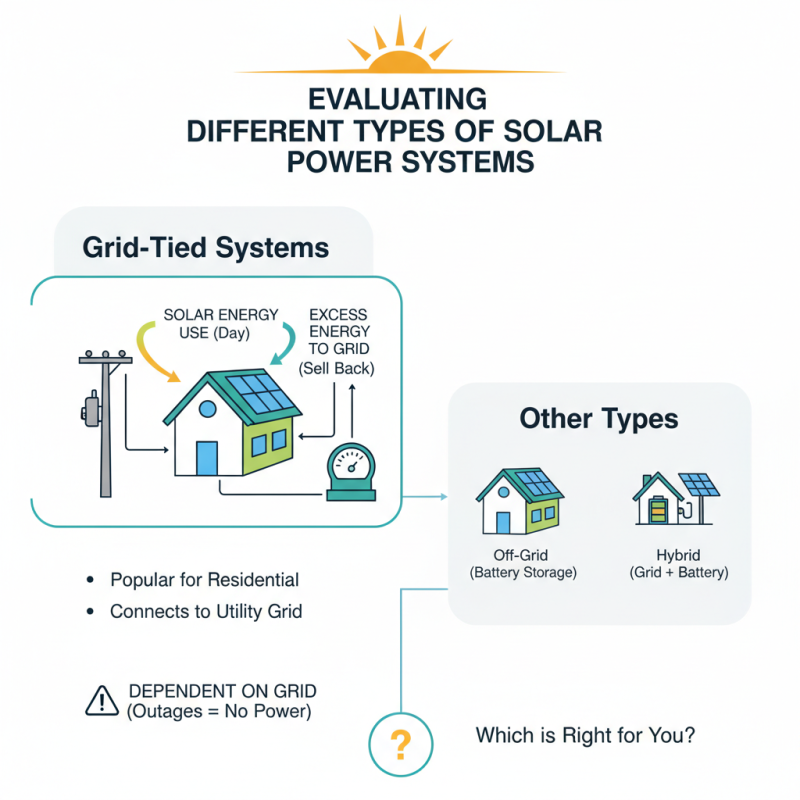
Choosing the right power solutions solar can feel overwhelming. With so many options available, it's easy to get lost. Each system has unique benefits and limitations. Understanding your specific energy needs is crucial. You want a solar solution that matches your consumption patterns.
Consider factors like location, sunlight availability, and energy costs. These elements can influence your choice significantly. For instance, if you live in a cloudy area, you might need larger panels or a battery backup. Additionally, quality matters. Not all solar products are created equal. Some brands offer better warranties and performance than others.
Take the time to research and reflect. Assess your energy habits and budget. It’s natural to feel uncertain during this process. Don’t rush the decision. A thoughtful approach will lead you to the best power solutions solar for your situation.
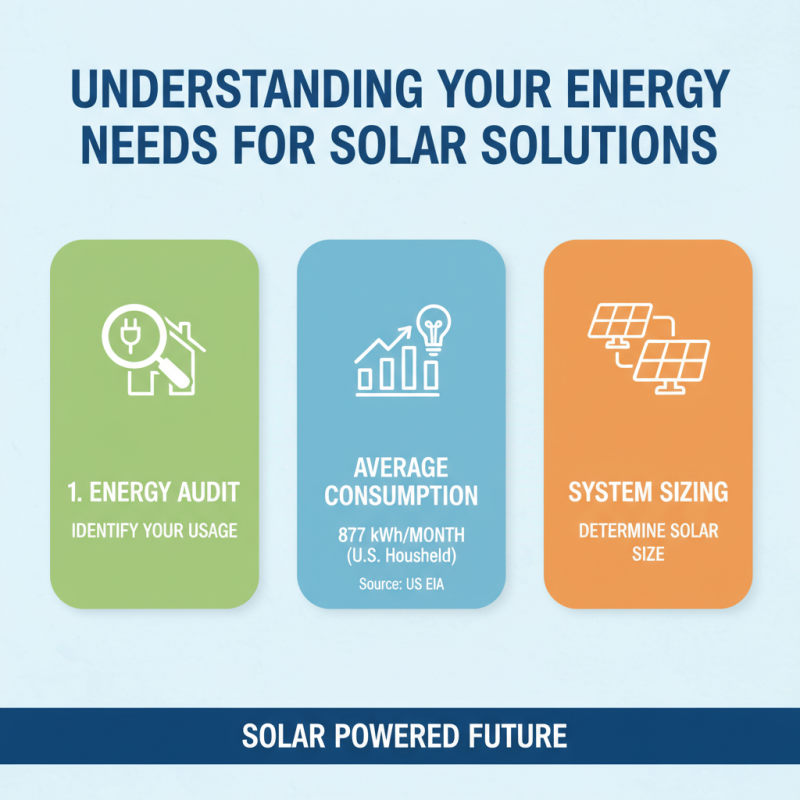
Understanding Your Energy Needs for Solar Solutions
Understanding your energy needs is crucial when considering solar solutions. It starts with an energy audit. This process identifies how much electricity you use. For example, according to the U.S. Energy Information Administration, the average American household consumes about 877 kWh per month. Knowing your consumption helps in deciding the size of the solar system.
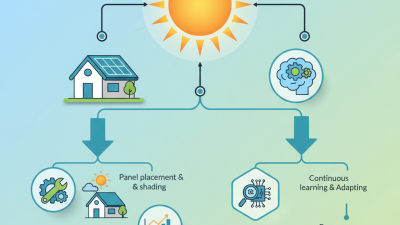
Next, consider your lifestyle and location. Are you home during the day? Consider solar systems that generate power when you need it most. A report by the National Renewable Energy Laboratory indicates that well-placed solar panels can produce up to 30% more energy. However, factors like shading trees or roof angle can reduce efficiency.
Additionally, think about future energy needs. Will you buy an electric vehicle? Expansion might be necessary. The Solar Energy Industries Association notes that a typical solar installation can offset about 25% to 40% of your typical energy bill. But this depends on local incentives and grid access. Assessing your unique situation can lead to a more effective and efficient solar solution.
Assessing Financial Considerations for Solar Energy
When considering solar energy, financial factors play a crucial role. It’s not just about choosing the right panels. You also need to evaluate up-front costs versus long-term savings. Solar panels can initially seem expensive. However, various financing options may alleviate some burden. Sometimes, incentives and tax credits are available. These make solar more accessible for many homeowners.
Calculating the return on investment is essential. Consider how much you currently spend on energy. Compare that to potential savings with solar power. It’s a numbers game. While some may find the transition smooth, others may encounter unexpected expenses. Maintenance costs can arise later, which might be overlooked initially.
Evaluate your financial stability before committing to solar. Ensure you have a clear budget. Don't forget about the potential impact of energy prices. While estimates can help, they are not always accurate. More research and careful planning can facilitate a better decision. Solar options may not fit everyone, and that’s okay. Recognizing this can lead to a more personalized approach to energy solutions.
Assessing Financial Considerations for Solar Energy
Researching Reputable Solar Power Providers
When searching for solar power providers, reputation is crucial. A strong track record signifies reliability. Seek out companies with positive customer reviews and ratings. Past performance often reflects future service quality. Dig deeper. Check online forums and local community boards to gather real experiences.
Tips: Verify credentials. Look for certifications and licenses. This ensures the provider meets industry standards.
Another important aspect is transparency in pricing. Potential providers should offer clear and detailed quotes. Make sure there are no hidden fees. Compare multiple providers to find the best value. It's okay to feel overwhelmed; this is a big decision.
Tips: Ask for references. Speak directly to former clients about their experiences. This can provide invaluable insight that online reviews may not capture.
Considering Environmental Factors in Solar Energy Selection
When selecting solar energy solutions, environmental factors play a crucial role. Consider your local climate. Regions with consistent sunlight are ideal for solar panels. However, cloudy areas might require larger systems to meet energy needs. Assessing your area’s weather patterns can prevent underperformance.
Evaluate the land available for installation. Space limitations affect panel placement and orientation. Remember to examine nearby trees and buildings. They could create shadows that reduce efficiency. Choosing the best location for solar panels is not always straightforward. It might take some trial and error to find the most effective spot.
Think about local wildlife and ecosystems when planning installations. Some areas are home to protected species. Disturbing their habitats may lead to legal issues and environmental harm. While maximizing energy output is essential, so is preserving local ecology. Careful planning can help balance these competing concerns. It’s worth the effort to create sustainable solutions.
How to Choose the Best Power Solutions Solar for Your Energy Needs? - Considering Environmental Factors in Solar Energy Selection
| Energy Needs |
Solar Panel Type |
Efficiency (%) |
Environmental Impact |
Cost ($/W) |
| Residential (4000 kWh/year) |
Monocrystalline |
20.4 |
Low |
2.00 |
| Commercial (100,000 kWh/year) |
Polycrystalline |
15.5 |
Moderate |
1.80 |
| Utility-scale (5,000,000 kWh/year) |
Thin-Film |
11.0 |
High |
1.50 |
| Off-grid (2000 kWh/year) |
Bifacial |
19.0 |
Low |
2.50 |