How to Choose the Best Energy Solutions Solar Panels for Your Home?
Choosing the right energy solutions solar panels for your home is crucial. Solar panels are a fantastic way to harness renewable energy. They can significantly reduce your energy bills, but selecting the right system can feel overwhelming.
Different types of solar panels offer various pros and cons. Some are more efficient yet costly, while others are budget-friendly but might not last as long. It's essential to carefully evaluate your specific energy needs, roof type, and local climate. Solar energy is not a one-size-fits-all solution.
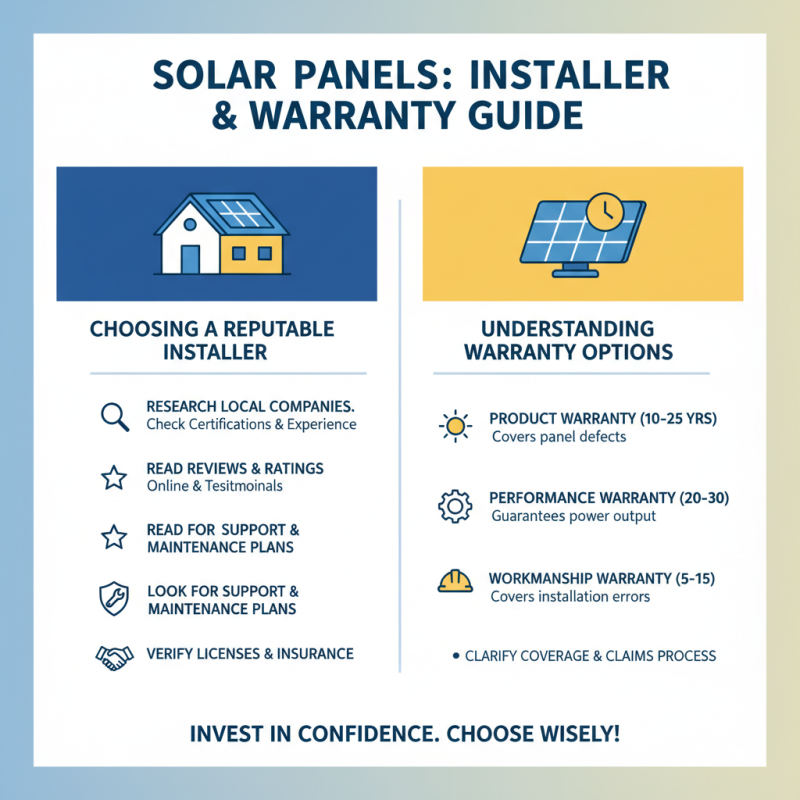
Taking the plunge into solar power requires reflection. Are you ready for the commitment? Do you understand the long-term benefits and potential challenges? Engaging with professional installers can provide valuable insights. Their expertise may guide you in selecting durable and efficient energy solutions solar panels that fit your lifestyle and budget.
Understanding Your Energy Needs and Goals
When considering solar panels, it's crucial to assess your energy needs and goals clearly. According to the U.S. Energy Information Administration (EIA), residential solar energy usage has grown by over 30% in the past five years. This rapid uptake highlights the increasing awareness among homeowners about renewable energy solutions. Begin by analyzing your current energy consumption. Look at past utility bills and average monthly usage. This data will help you understand how much energy you need the panels to generate.
In addition to consumption, identify your long-term goals. Are you aiming for complete energy independence or simply lowering your monthly bills? The Solar Energy Industries Association (SEIA) reports that homes equipped with solar panels often save between $10,000 to $30,000 over 20 years. However, these figures can vary widely based on initial costs, installation methods, and local policies. Emphasizing energy efficiency in your home through insulation or energy-efficient appliances can further enhance the effectiveness of your solar solution.
Not all systems fit every home. Factors such as roof orientation, shading, and local regulations play significant roles. In some cases, homeowners may overlook roof capacity. Poor installation practices can lead to inefficiencies, suggesting the need for reliable contractors. Before making a decision, research local providers and ask for references. Balancing these factors will guide you in selecting the best solar panel solution for your home.
Types of Solar Panels and Their Features
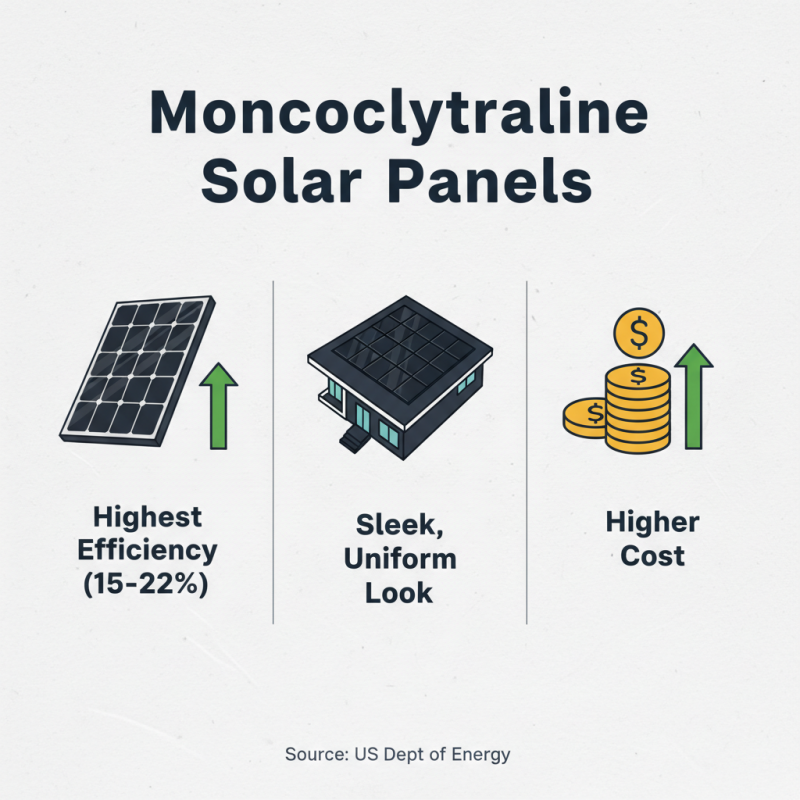
When considering solar panels for your home, understanding the types available is essential. The most common types are monocrystalline, polycrystalline, and thin-film panels. Monocrystalline panels are recognized for their high efficiency and sleek design. They offer around 15% to 22% efficiency rates, according to the U.S. Department of Energy. However, their higher cost may not offer value for everyone.
Polycrystalline panels are another option. They are generally less expensive and have a slightly lower efficiency rate, ranging between 13% to 16%. This can be ideal for homeowners with larger roof space who prioritize cost-effectiveness over maximum efficiency. Then there’s thin-film technology, known for its flexibility and lightweight design. While these panels are easier to install, their efficiency can be as low as 10%.
Choosing the right type isn't just a financial decision. Climate and roof orientation also impact performance. Research from the National Renewable Energy Laboratory indicates that solar panel types perform differently based on temperature and sunlight exposure. Reflecting on these factors can guide better choices. Consider your specific needs and consult professionals for tailored advice.
Evaluating Compatibility with Your Home's Architecture
When choosing solar panels, compatibility with your home's architecture is essential. The design can significantly impact efficiency and aesthetics. According to the National Renewable Energy Laboratory, homes with south-facing roofs tend to generate 30% more energy than those with less optimal orientations. Thus, understanding your roof's angle and exposure is crucial in making an informed decision.
The material of your roof should also be considered. For instance, metal roofs often work well with solar panels, providing longevity and durability. On the other hand, asphalt shingles may require careful installation. A study from the Solar Energy Industries Association indicates that approximately 55% of homeowners opt for solar energy but overlook roof materials. It's essential to choose systems that adapt to your home's style, avoiding mismatch with architectural elements.
Finally, evaluate the shading around your property. Trees or neighboring buildings can obstruct sunlight, reducing energy output. A report from Energy Sage notes that installation under shaded areas can reduce panel efficiency by up to 80%. Reflecting on these elements will guide you toward the best solar solution that aligns with your home's architectural integrity while maximizing energy production.
How to Choose the Best Energy Solutions Solar Panels for Your Home? - Evaluating Compatibility with Your Home's Architecture
| Panel Type |
Efficiency (%) |
Size (sq. ft.) |
Weight (lbs) |
Warranty (years) |
Compatibility with Roof Type |
| Monocrystalline |
20.4 |
16.6 |
40 |
25 |
All types |
| Polycrystalline |
17.8 |
18.2 |
50 |
25 |
Asphalt, Metal |
| Thin-Film |
11.5 |
25.0 |
55 |
10 |
Flat, Curved |
| Bifacial |
20.0 |
17.0 |
45 |
30 |
All types |
Assessing Costs vs. Long-Term Savings
When considering solar panels, it is essential to evaluate costs against long-term savings. The initial investment in solar panel installation can be significant. According to the National Renewable Energy Laboratory, the average upfront cost ranges from $15,000 to $25,000. However, considering the reduction in electricity bills, the real benefit becomes apparent over time.
Research indicates that homeowners can save approximately $20,000 over 20 years. Many factors influence these savings, including local energy rates and available incentives. It’s also important to consider potential maintenance costs. While many systems require minimal upkeep, unexpected repair costs can arise and impact overall savings.
The payback period for solar panels typically ranges from 5 to 10 years. Economic fluctuations, utility rates, and incentives can alter this timeline. For some households, the wait may seem long. Homeowners should assess their unique circumstances carefully. Analyzing long-term financial impacts helps in making an informed decision, balancing upfront costs with potential savings quite effectively.
Energy Solutions: Solar Panel Cost vs. Long-Term Savings
This chart compares the initial cost, annual savings, and the break-even year for installing solar panels as an energy solution for homes. The initial investment is significant, but the long-term savings can provide financial benefits over time.