How to Choose the Best Energy Panels for Your Needs?
Choosing the right energy panels can significantly impact your sustainability goals. According to the International Energy Agency (IEA), solar energy could become the largest source of electricity by 2030. This growth reflects a global shift towards renewable solutions, driven by technological advancements and decreasing costs.
Understanding your specific energy needs is crucial. Many households underestimate their energy consumption patterns. Reports indicate that about 40% of solar panel users do not fully optimize their systems. An effective approach involves assessing your energy requirements, roof space, and geographic location.
Remember, not all energy panels are created equal. Different models exhibit varying efficiencies and price points. Some offer greater performance in low-light conditions. Reviewing expert analyses and customer feedback can aid in making informed choices. A well-chosen energy panel can ensure energy savings and sustainability for years to come.
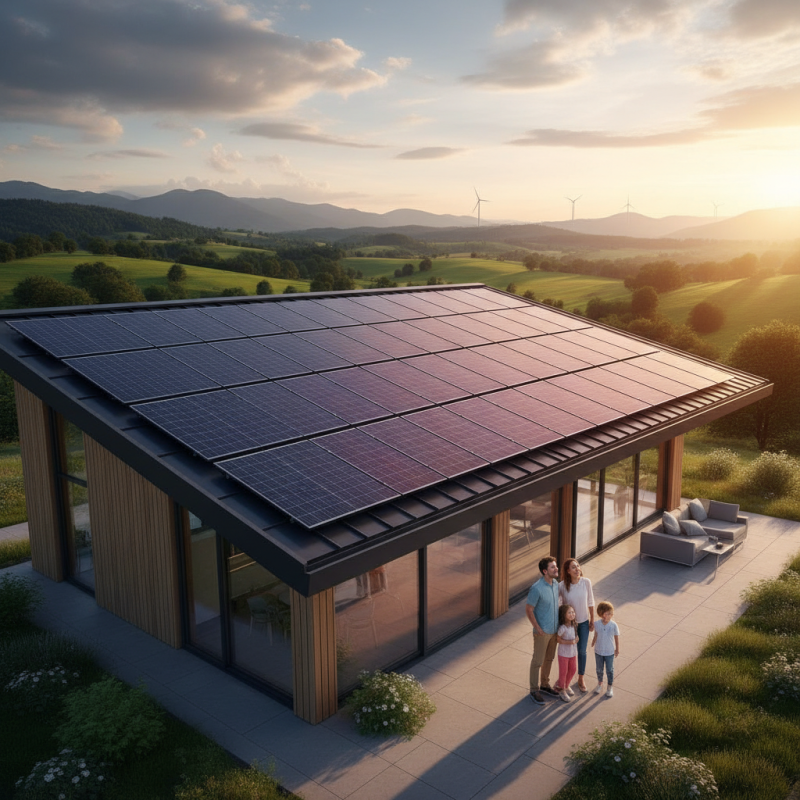
Understanding Your Energy Needs and Goals
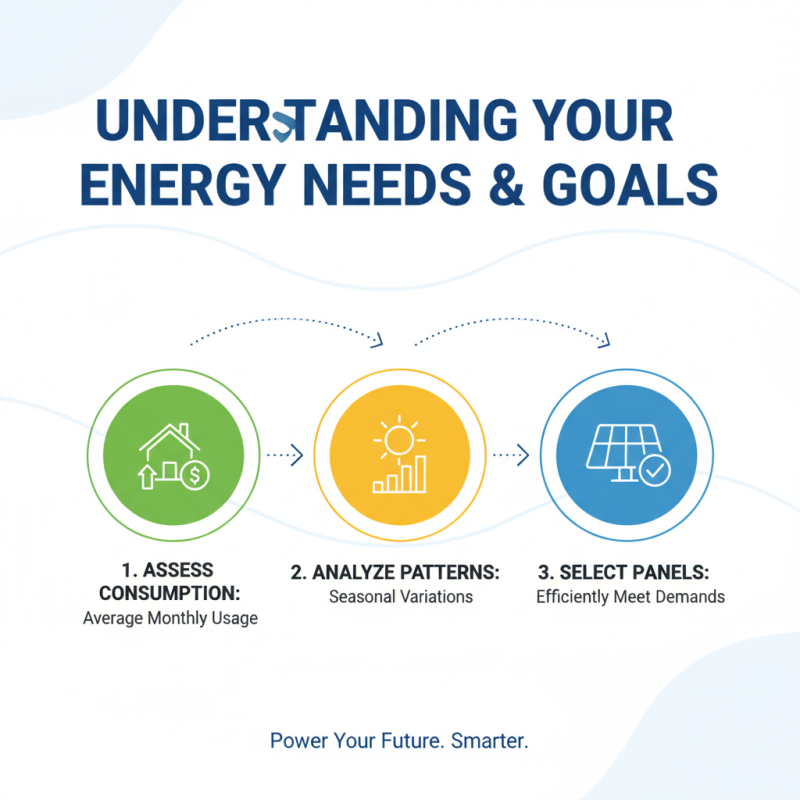
When considering energy panels, understanding your energy needs and goals is crucial. Begin by assessing your home’s energy consumption. Calculate your average monthly energy usage. This information will guide you in selecting panels that efficiently meet your specific demands. Examine seasonal variations too; some months may require more energy than others.
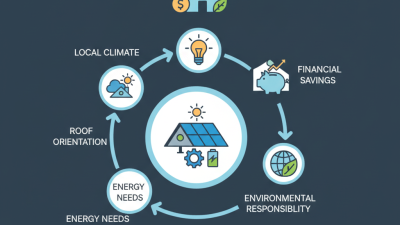
Setting clear goals also shapes your choices. Are you aiming for partial energy independence or complete self-sufficiency? Maybe you're looking to reduce your carbon footprint. Each goal influences the type of panels you might consider. Higher efficiency panels might be ideal for limited space, while lower-cost options could suffice for larger areas. Don’t forget about local climate conditions. This can greatly affect the performance of your energy panels.
Lastly, reflect on your long-term plans. Are there plans to expand your home or lifestyle in the future? These considerations might impact your energy needs later on. It’s essential to revisit your energy strategy periodically. As technology and personal circumstances evolve, so might your energy goals, requiring adjustments to your panel selection.
Types of Energy Panels Available on the Market
When choosing energy panels, understanding the types available is crucial. Solar panels are the most common. They convert sunlight into electricity. These panels vary in efficiency and cost. Monocrystalline panels generally offer higher efficiency, but they can be pricey. Polycrystalline panels are a more affordable option, though they may have slightly lower efficiency.
Another option is thin-film solar panels. They are lightweight and flexible. However, their efficiency is typically lower than crystalline panels. This could lead to needing more space for installation. For those looking to integrate energy storage, solar-plus-storage systems are becoming popular. They store excess energy for use at night or during cloudy days.
Wind energy panels, while less common in urban areas, harness wind power effectively. They can be an excellent choice for rural settings. Biomass panels convert organic materials into energy. This can be a sustainable choice for managing waste while generating power. Each type of panel has its strengths and weaknesses. Balancing cost, efficiency, and installation space is essential for making the right choice.
How to Choose the Best Energy Panels for Your Needs? - Types of Energy Panels Available on the Market
| Panel Type |
Efficiency (%) |
Cost per Watt ($) |
Lifespan (Years) |
Best Use Case |
| Monocrystalline |
15-22 |
$0.80 - $1.50 |
25 |
Residential rooftops |
| Polycrystalline |
13-16 |
$0.70 - $1.20 |
20 |
Large-scale installations |
| Thin Film |
10-12 |
$0.50 - $1.00 |
15 |
Low-light areas |
| Bifacial |
20-25 |
$1.20 - $1.80 |
30 |
Ground-mounted installations |
| Building-integrated (BIPV) |
10-15 |
$2.00 - $3.00 |
20 |
Architectural applications |
Factors to Consider When Choosing Energy Panels
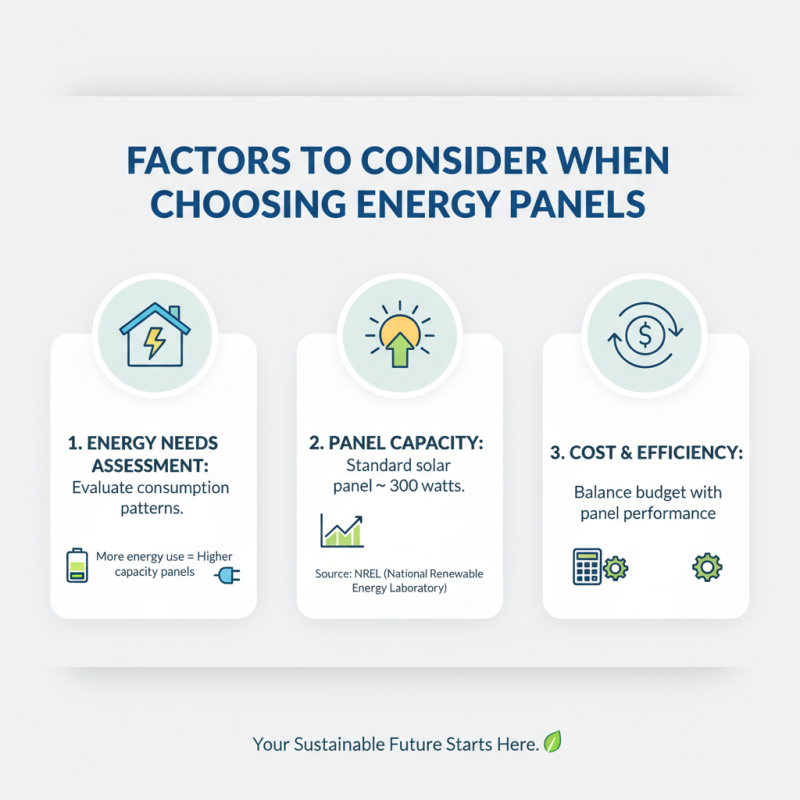
When choosing energy panels, consider several critical factors. First, evaluate your energy needs based on your consumption patterns. If your household requires more energy, opt for higher-capacity panels. According to the National Renewable Energy Laboratory (NREL), a standard solar panel generates around 300 watts.
Another factor is the efficiency of the panels. Higher efficiency means more power generation for the same area. Reports suggest that panels with over 20% efficiency are preferable for limited roof space. However, these options may come at a higher initial cost.
Tips: Assess your roof space. If it’s small, prioritize efficiency. Also, check local regulations. Incentives may influence your decision.
Lastly, consider installation costs and warranties. A report by the Solar Energy Industries Association (SEIA) highlighted that installation can account for up to 30% of the total system cost. An extended warranty can provide peace of mind, but remember to weigh the added costs.
Ultimately, selecting the right energy panels requires careful consideration of several aspects. Balancing efficiency, cost, and your energy needs can lead to a more informed decision.
Evaluating Energy Panel Efficiency and Performance
When evaluating energy panels, efficiency is a key factor. This efficiency often boils down to how much energy a panel can convert from sunlight into usable electricity. Look at the panel's conversion rate, typically expressed in percentage. Higher rates mean more electricity generated. Ideally, choose panels with rates above 15%. However, efficiency isn’t the only metric.
Performance is influenced by factors like temperature and light intensity. Some panels perform better in high heat. Others may excel in low-light conditions. Understand your local climate to make an informed choice. Also, consider shading from trees or nearby buildings. These can drastically affect output, causing discrepancies in reported efficiency.
Not every panel is perfect for every situation. Some panels might have high efficiency but poor durability. Others may be resilient but not effective in generating power. Assessing your unique needs and the specific environment can help identify the best panel. It's important to periodically review and question your decisions. What worked last year may not hold up now. Stay informed and adjust as necessary to meet energy needs effectively.
Budgeting for Your Energy Panel Investment
When budgeting for energy panels, it's essential to assess your needs thoroughly. Understand your energy consumption by analyzing your utility bills. This data helps in selecting the right panel size and type. Calculate roof space for installation. This ensures you don't overspend on unnecessary capacity.
Consider installation costs. Professionals may charge differently based on experience and location. Prioritize getting multiple quotes. Review all expenses, including permits and maintenance. Additionally, don't overlook financing options. Some programs offer incentives or rebates. This can significantly reduce upfront costs.
Remember to factor in long-term savings. Energy panels often reduce utility bills over time. However, the initial investment can be daunting. Reflect on your financial situation. Are you prepared for this expenditure? Taking a close look at budgets may reveal opportunities for adjustment. Often, it yields insights for smarter energy choices.
Energy Panel Investment Comparison