How to Choose the Right Solar MPPT Controller for Your Needs?
Choosing the right Solar MPPT controller can significantly impact your solar energy system's efficiency. With various options available, it's essential to assess your specific needs. Different controllers offer unique features, making the selection process challenging.
Consider your solar panel output and battery specifications. A suitable Solar MPPT controller maximizes energy conversion from solar panels to batteries. An ill-suited choice may lead to underperformance. This decision can affect how much energy you store and use.
Reflecting on your power requirements is crucial. Sometimes, users realize too late that they chose a controller that can't handle peak loads. Accurate calculations and research can prevent these mistakes. Make an informed choice to optimize your solar investment.
Understanding Solar MPPT Controllers and Their Functionality
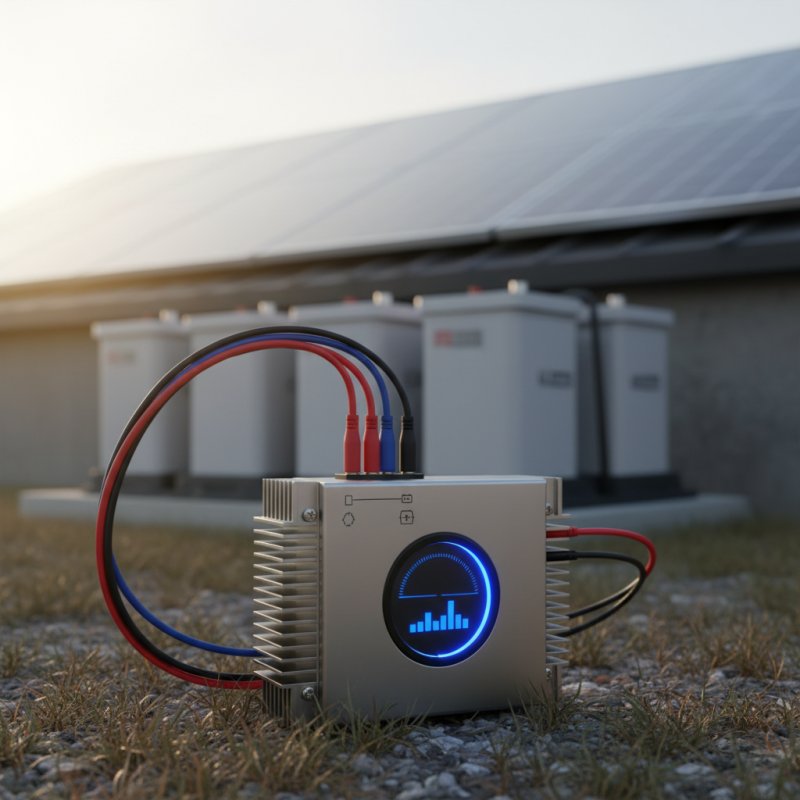
Solar MPPT controllers play a vital role in solar energy systems. They optimize the power output from solar panels. By adjusting the electrical operating point, these controllers enhance efficiency. Essentially, they ensure that solar panels work at their peak potential.
When selecting an MPPT controller, consider your system size. A controller must match the total wattage of your panels. Too small, and it won't handle the load. Too large, and you may overspend. Think about the type of batteries you will use. Compatibility is key.
Tips: Check the voltage ratings of the controller. Ensure it matches your battery system. A mismatch can lead to inefficiency. Also, look for features like temperature compensation. This helps protect your system from heat.
Wiring and installation are also important. A poorly wired system can lead to energy loss. Some users face challenges here. They often realize too late in their projects. Proper planning can avoid such issues. Knowing the basics can save time and resources.
How to Choose the Right Solar MPPT Controller for Your Needs?
| Feature | Description | Considerations |
| Input Voltage Range | The range of input voltages the controller can accept from solar panels. | Ensure it matches with the solar panel output. |
| Charging Current | The maximum current the controller can deliver to the battery. | Check compatibility with battery specifications. |
| Efficiency Rate | The percentage of solar energy converted to usable power. | Look for controllers with high efficiency to maximize energy use. |
| Battery Compatibility | Type of batteries the controller can work with (e.g., Li-ion, Lead Acid). | Choose one that matches your battery type for optimal performance. |
| Temperature Compensation | Adjusts charging based on battery temperature to prevent overcharging. | Important for battery longevity in varying climates. |
Factors to Consider When Choosing an MPPT Controller
When selecting a solar MPPT controller, several factors need careful consideration. Efficiency is at the top of the list. Look for controllers with a high conversion rate. A good efficiency can significantly increase your energy yield. Pay attention to the input voltage range. It should match your solar panel output. If not, the controller won't function properly.
Another important aspect is the load current rating. Your system needs to handle the peak load effectively. Too low a rating can lead to overheating and damage. Additionally, examine the controller’s features. An LCD display can provide real-time information. This adds convenience and informs you of any issues.
Think about the environment too. Is it too hot, humid, or dusty? The controller's durability matters in harsh conditions. Waterproof ratings are essential for outdoor setups. Sometimes, the price can be overwhelming. However, investing in a reliable MPPT controller is crucial for long-term benefits. It’s a choice that requires thought. Test various models if you can. Take time to reflect on each option before purchasing.
Matching MPPT Controllers to Solar Panel Specifications
When selecting an MPPT controller, understanding solar panel specifications is key. Look closely at the voltage and current ratings of your panels. The MPPT controller must match these ratings for optimal performance. If the controller cannot handle the output, you risk damaging the system. It’s critical to note that not all panels are created equal.
Different types of solar panels offer varied efficiency and output characteristics. Some may excel in low-light conditions, while others provide maximum output in direct sunlight. Consider how your panels perform under different weather conditions. This can significantly influence your choice of MPPT controller. Remember, a mismatch can lead to wasted energy and potential system failure.
Lastly, always consider your energy needs. Calculate the total power consumption in your setup. This will help you choose an MPPT controller that suits your demands. An underestimated controller may not meet your energy needs. Each decision should reflect careful consideration and planning. Even small details can impact the overall effectiveness of your solar system.
Evaluating the Efficiency and Performance Ratings of MPPT Controllers
When choosing an MPPT controller, understanding efficiency and performance ratings is essential. MPPT, or Maximum Power Point Tracking, is a technology that enhances solar energy capture. An effective controller adjusts its operation to extract the maximum power from solar panels. Look for models that boast high-efficiency percentages; aim for above 95% for optimal performance.
Tip: Check user reviews to evaluate real-world performance. This can help identify controllers that may not perform as advertised. Some models may work well in ideal conditions but underperform in variable weather.
Performance ratings often take into account factors like temperature resilience and voltage range. Controllers that maintain efficiency in extreme temperatures are essential for reliable energy production. It's important to assess how these controllers behave during cloudy days or at dawn and dusk.
Tip: Consider the installation environment. Controllers designed for outdoor use should have robust casing and weatherproof features. Ignoring these aspects could lead to failures and lower energy production.
Don't rush the selection process. Reflect on your energy needs and how much power is required in different seasons. A controller that seems perfect on paper might not meet your specific needs. Take the time to research and weigh all options carefully.
Budgeting for Your Solar MPPT Controller Purchase and Installation
When budgeting for a solar MPPT controller, consider the purchase price and installation costs. A quality controller ranges from $150 to $500. Prices vary based on specifications and features. Installation may add another $100 to $300. Understanding these costs can help you avoid surprises later.
Tips: Always get multiple quotes from installers. You might be surprised by the differences in pricing. Ensure you factor in any permits or additional materials needed.
Look at the long-term benefits too. Investing in a more efficient MPPT may cost more upfront but can save you money on energy bills. Reports show that optimizing energy capture can increase efficiency by up to 30%. It’s worth reflecting on whether to save now or invest for the future. Evaluating your energy needs is critical.