How to Choose the Best Energy Solutions Solar Panels for Your Home?
When selecting energy solutions solar panels for your home, understanding the options is vital. According to Dr. Emily Green, an expert in renewable energy, "Choosing the right solar panels can significantly impact your energy savings." This reality makes it crucial for homeowners to conduct thorough research.
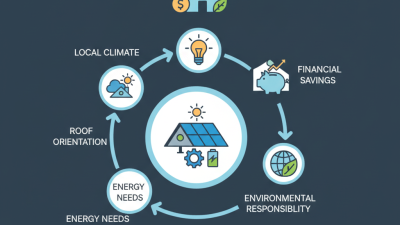
Many types of solar panels exist on the market. Each comes with different efficiencies, warranties, and costs. It’s not just about price; the ideal energy solutions solar panels should match your energy needs and roof type. Not everyone's home is suited for solar, which is worth considering. Accessibility and orientation can affect performance and efficiency levels.
Engaging with professionals can help clarify choices. It’s common for people to undersell or oversell themselves when it comes to their energy needs. Sometimes, homeowners focus too much on aesthetics or brand rather than long-term value. Thus, reflecting on these aspects will guide them to make informed, reflective choices in this essential matter.
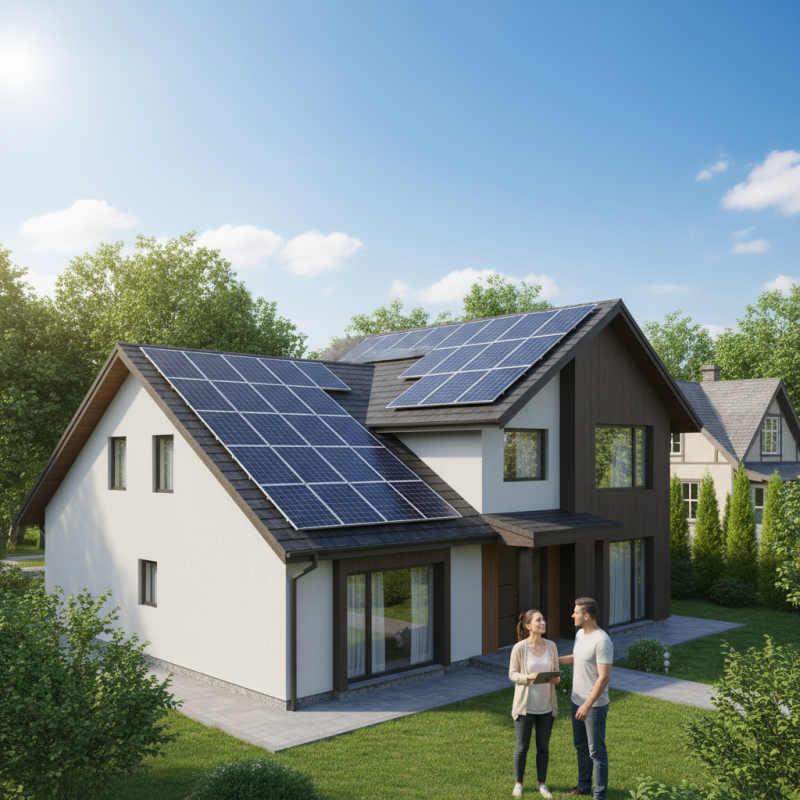
Understanding Your Energy Needs and Consumption Patterns
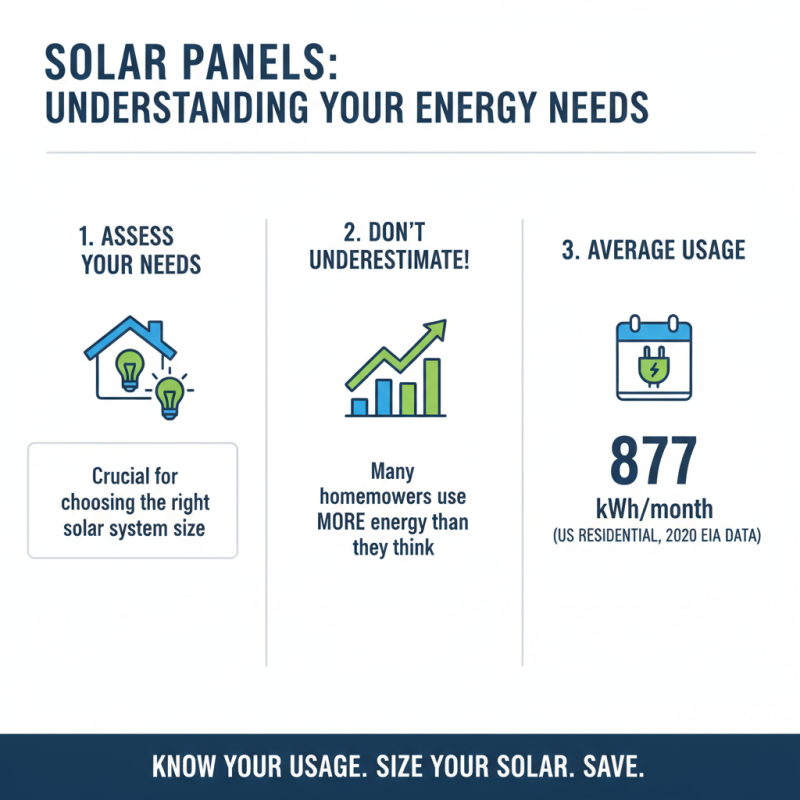
Understanding your energy needs and consumption patterns is crucial when choosing solar panels. Many homeowners underestimate their energy requirements. According to the U.S. Energy Information Administration, residential energy consumption averaged about 877 kWh per month in 2020. Knowing your average usage can help identify the right solar system size.
The peak sun hours in your area also play a role. For instance, the National Renewable Energy Laboratory suggests that locations with six peak sun hours can produce approximately 1,500 kWh per kilowatt installed annually. If your home consumes 10,000 kWh annually, you’ll likely need a 7 kW system. This can feel overwhelming for many.
Additionally, seasonal and lifestyle changes can impact your energy use. A growing family may require more power for heating or cooling. Keeping track of these fluctuations over a year can provide a more accurate picture. Neglecting this can lead to undersized systems that fail to meet your needs. Collecting energy bills and monitoring appliance usage regularly is a smart practice. It’s essential to reflect on your consumption and plan accordingly.
Types of Solar Panels: Monocrystalline, Polycrystalline, and Thin-Film
When considering solar panels, understanding the types available is crucial. Monocrystalline panels are known for their efficiency. They are made from a single crystal structure, allowing them to convert more sunlight into electricity. These panels typically require less space, making them ideal for smaller roofs. Their sleek appearance is also a plus for many homeowners.
Polycrystalline panels offer a more budget-friendly option. They consist of multiple crystals, making them slightly less efficient than monocrystalline types. However, they still provide a solid performance for various homes. These panels are generally more affordable, which can be enticing for those looking to save. The trade-offs include a larger space requirement and, often, a less modern aesthetic.
Then there are thin-film panels, which are lightweight and flexible. They are made by layering photovoltaic material on a surface. While they are less efficient than the other types, they excel in certain situations, like on unconventional roofs. Their performance can sometimes fall short in low-light conditions, leading to reflections on effectiveness. Homeowners need to weigh these considerations carefully.
Comparison of Solar Panel Types
Evaluating Solar Panel Efficiency and Performance Ratings
When selecting solar panels, efficiency and performance ratings are crucial. Panels convert sunlight into electricity, so their effectiveness impacts your energy savings. According to the National Renewable Energy Laboratory, a panel's efficiency typically ranges from 15% to 22%. Higher efficiency means more energy production in limited space.
Additionally, the performance ratio (PR) is essential for assessing real-world effectiveness. PR measures how much the system generates compared to its potential output. Industry standards suggest a PR of 75% to 90% is typical. However, this number can vary based on geographic location and installation quality. For example, panels in cloudy areas may underperform compared to those in sunnier regions.
Not all panels perform equally under different conditions. Some panels degrade faster than others, losing significant efficiency over time. Research indicates that the average degradation rate is about 0.5% to 1% per year. It's vital to consider warranties regarding degradation guarantees. A longer warranty may offer peace of mind, but it requires further analysis of actual performance data.
Assessing Installation Costs and Financial Incentives
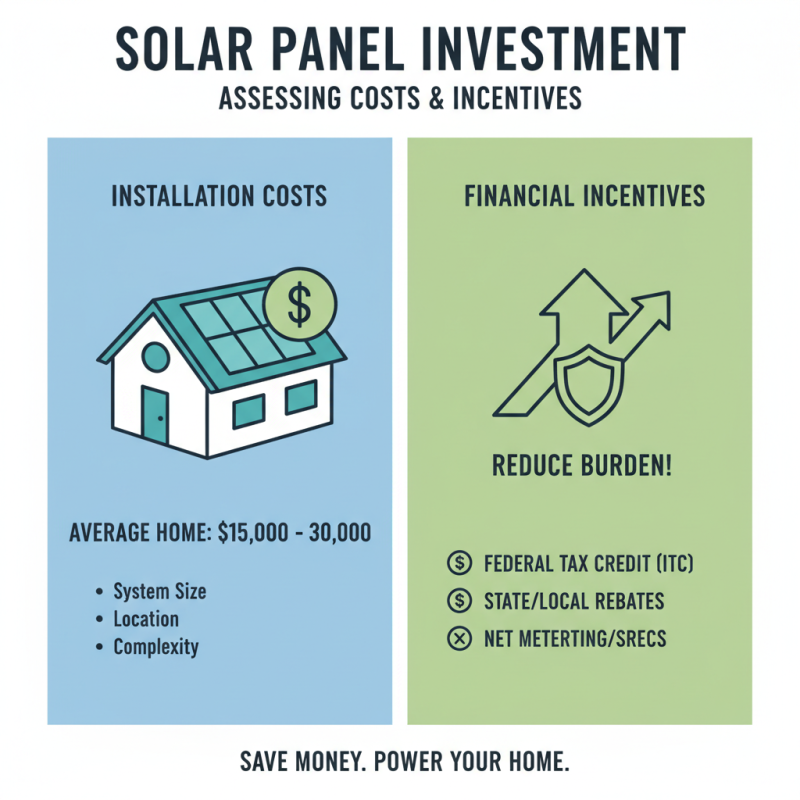
When considering solar panels for your home, installation costs are a significant factor. These costs can vary based on the system size, location, and installation complexity. On average, homeowners can expect to spend between $15,000 and $30,000. This range might feel overwhelming initially, but several financial incentives can alleviate some of the burden.
Many regions offer tax credits that can significantly reduce the upfront costs. For instance, a federal solar tax credit may cover a percentage of your installation expenses. Some states also provide rebates or performance-based incentives. Exploring local utility programs can lead to additional savings.
Tips: Research your state’s specific incentives. They change frequently and can directly impact your financial outcome. Don’t hesitate to consult solar experts. They can help clarify unclear aspects of the costs. Lastly, always reassess your financial plan. You may find unexpected costs cropping up during installation.
Selecting a Reputable Installation Company and Warranty Options
Choosing the right company for solar panel installation is crucial. Start by researching local installers. Look for reviews and ratings online. A reputable company will have positive feedback from past customers. Don't just rely on star ratings; read the comments. This will give you insights into their quality and reliability.
Warranties are another critical consideration. Most solar panels come with manufacturer warranties. These typically last 25 years. However, installation warranties may vary significantly. Ensure that the installation company offers a warranty that covers workmanship. A good warranty reflects the company's confidence in their work.
Be mindful of additional fees that may arise later. Ask about maintenance services and their costs. Some companies may seem cheaper initially but can surprise you later with extra charges. Transparency in pricing is key. Take your time to ask questions during consultations. Reflect on your needs and budget carefully before making a decision.