
In recent years, the world has seen a significant shift towards sustainable energy. Solar power solutions have emerged as a primary contender in this energy revolution. They offer a clean alternative to conventional energy sources that rely on fossil fuels. The rise in solar technology has made harnessing the sun’s energy more accessible and affordable for homeowners and businesses alike.
Choosing solar power solutions not only benefits the environment but also promises financial savings. Many users report lower energy bills and increased property value after installation. However, the journey to adopting solar can come with challenges. Factors such as installation costs and space limitations may create hesitations. It’s essential to weigh these drawbacks against the long-term benefits that solar energy brings.
Despite some imperfections in solar technology, the advantages are compelling. Solar power solutions pave the way for a sustainable future. They reduce our carbon footprint and promote energy independence. As communities move towards greener practices, it's crucial to consider how solar energy fits into our lives. Are we ready to embrace this change fully?
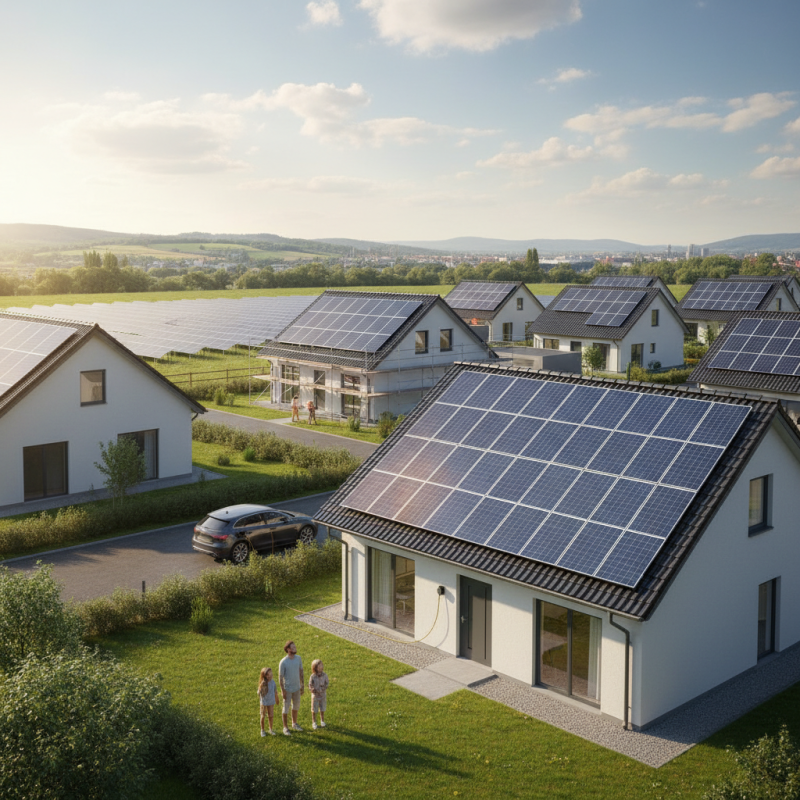
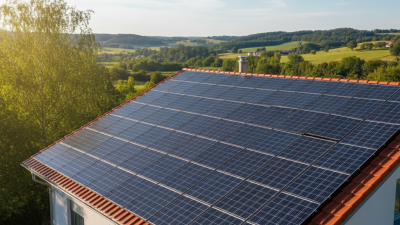
Solar power offers numerous advantages for both homes and businesses. It provides a sustainable energy source that significantly reduces electricity bills. Imagine generating your own energy from sunlight. This empowerment is a game-changer in today’s world. Solar panels can be installed on rooftops, taking advantage of unused space. They require minimal maintenance, allowing for easy integration into daily life.
Adopting solar energy also contributes to environmental conservation. It reduces carbon footprints substantially. You participate in a larger movement toward sustainability. However, the initial installation cost can be daunting. Many hesitate due to financial concerns. Still, numerous financing options exist, making it accessible. As technology evolves, efficiency improves and prices drop. Delaying can mean missing out on long-term savings and benefits. Considering solar power is worth the effort. The shift to solar may involve challenges, but the rewards are significant.
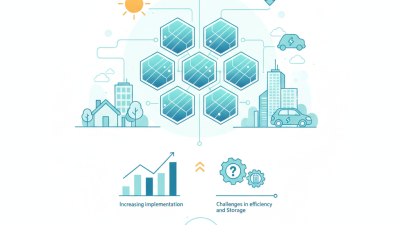
Solar power harnesses energy from the sun. It is a clean, renewable source of energy. A solar power system typically includes panels, an inverter, battery storage, and a mounting system. The solar panels capture sunlight and convert it into electricity. This process is known as the photovoltaic effect.
The inverter plays a critical role. It converts the direct current (DC) produced by solar panels into alternating current (AC). This is the electricity used in our homes. Battery storage is also important if you want to use solar energy at night. Without batteries, you can only use power when the sun shines.
Each component has its pros and cons. Solar panels can take up space and may require regular cleaning. Inverters can fail, and replacements can be costly. Battery systems can be expensive and need careful maintenance. Understanding these details can help you make informed choices. Solar power can be rewarding, but it’s not without challenges. It’s essential to weigh the benefits and drawbacks carefully.
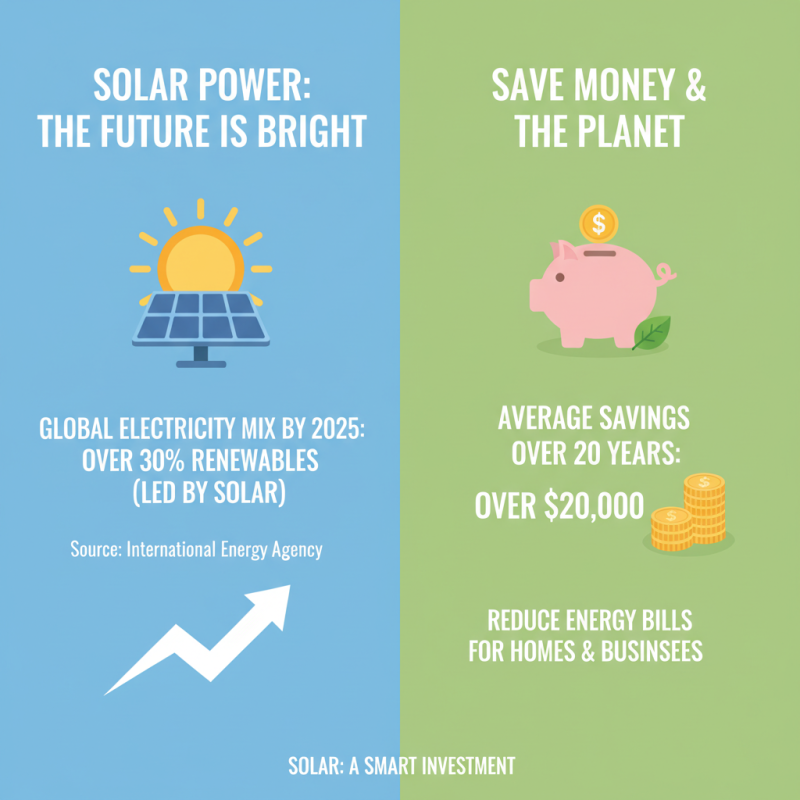
Solar power is becoming a popular choice when comparing it to traditional energy sources. According to the International Energy Agency, renewables, led by solar, could make up over 30% of global electricity by 2025. This shift is impressive. Solar systems can significantly reduce energy bills for homeowners and businesses. On average, a solar installation can save over $20,000 over 20 years.
However, solar energy has its challenges. External factors, such as weather conditions, can impact energy production. Efficiency rates can vary, often between 15% to 22% depending on technology. Traditional energy sources, while stable, contribute to greenhouse gas emissions. They are not sustainable long-term. Reports indicate that solar power emits 90% less carbon than coal. Adjusting to solar may require upfront investments. Still, many find it worthwhile when factoring in long-term savings and environmental benefits.
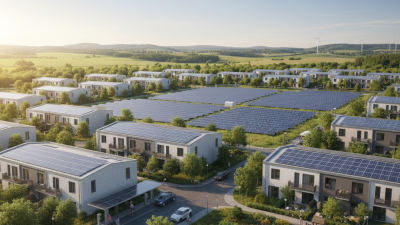
Transitioning to solar involves considerations. Property owners need to assess roof conditions and available sunlight. Some locations may not be ideal for solar panels. Yet, shared solar programs can help. Communities can invest in solar farms, making renewable energy accessible to those unable to install panels. The data shows a growing trend toward reducing reliance on fossil fuels.
Switching to solar energy can significantly reduce our environmental impact. Solar panels harness sunlight, transforming it into clean energy. This process emits no toxic substances. Compared to fossil fuels, the change is stark. Burning fossil fuels releases carbon dioxide, contributing to global warming. We have a chance to minimize that.
Using solar power leads to lower greenhouse gas emissions. It helps combat climate change, protecting our planet. Transitioning to this renewable source can also reduce air pollution. Cleaner air benefits our health too. We should consider these positive outcomes while acknowledging the challenges.
Not everyone can install solar panels immediately. High upfront costs can be a barrier. Some locations may receive insufficient sunlight. So, while solar energy offers great potential, it’s not a one-size-fits-all solution. We must weigh the benefits against the hurdles we face in the journey toward a greener future.
Switching to solar power can be a smart financial decision. Many homeowners are unaware of the potential savings. Installing solar panels can reduce or even eliminate energy bills. In some cases, systems can pay for themselves within a few years. Financing options allow homeowners to adopt solar without high upfront costs. This flexibility makes solar accessible to more people.
Incentives can further enhance the financial benefits. Tax credits and rebates are available in many areas. These can significantly lower initial investment costs. Governments often support solar adoption to encourage renewable energy. However, the regulations and incentives vary widely.
Some homeowners may find the paperwork and eligibility confusing. It's essential to research and understand local policies. The complexity can be a hurdle, but the long-term saving potential is worth it. Evaluating financial incentives can lead to surprising benefits.