Why Choose Community Solar for Sustainable Energy Solutions?
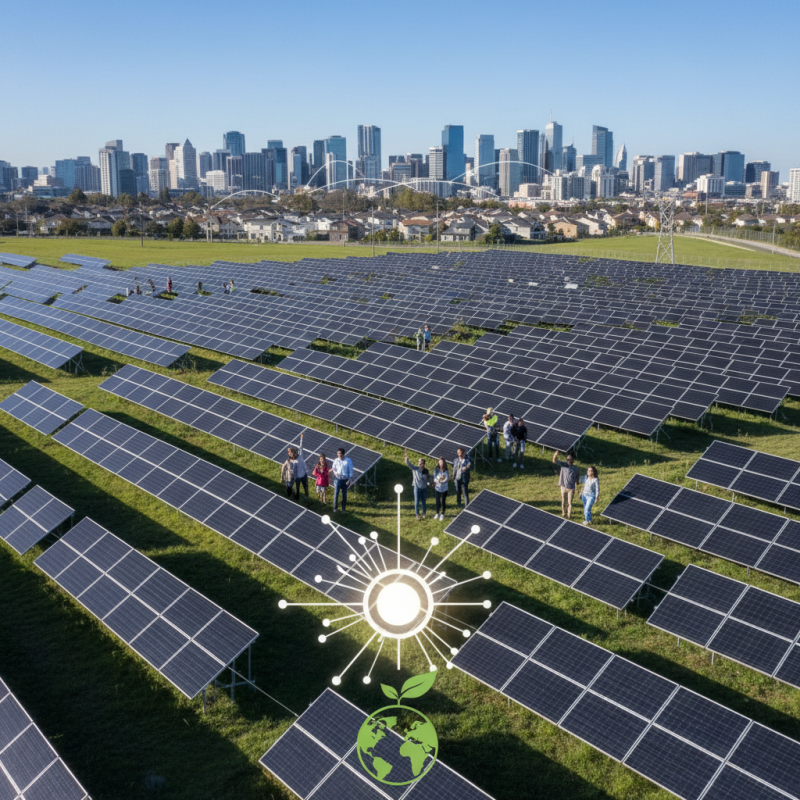
Community solar offers an innovative approach to renewable energy. It allows people to harness solar power without needing a rooftop. This form of energy is accessible to many, including renters and those with limited space. People can invest in or subscribe to a solar array located in their community.
One of the key benefits of community solar is its environmental impact. It enables broader participation while reducing carbon footprints. In urban areas, where space is a premium, this solution shines. However, some may question the efficiency of shared solar systems compared to personal installations.
Despite its advantages, community solar is not a one-size-fits-all solution. People may face challenges such as higher costs or lack of availability. Moreover, understanding the terms and benefits can be complex. While this energy option promotes sustainability, ongoing community engagement is essential for its success.
The Definition and Overview of Community Solar Programs
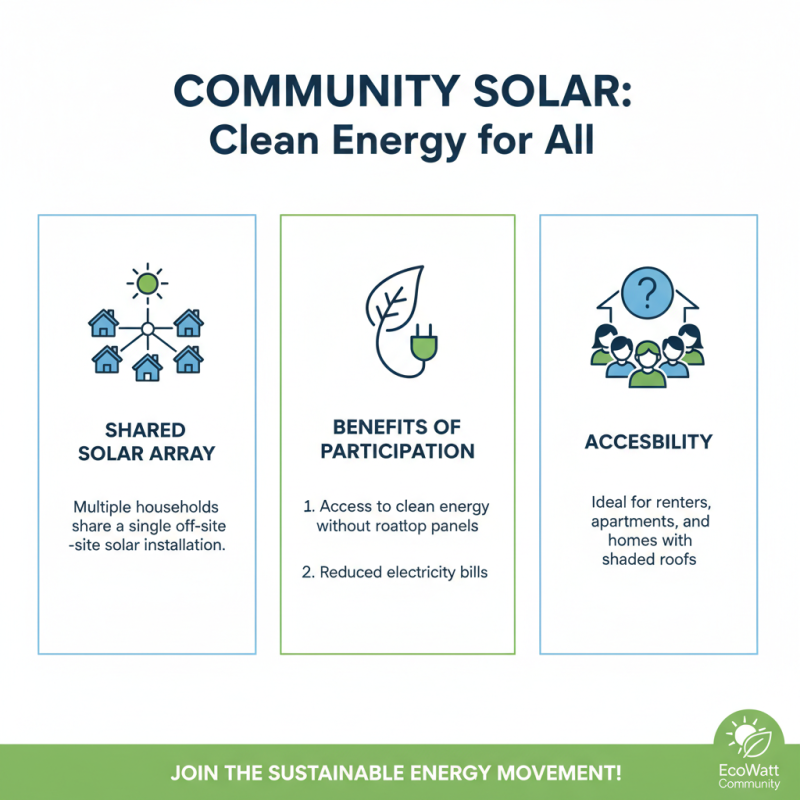
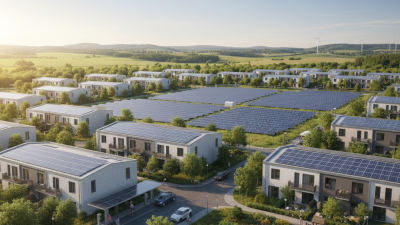
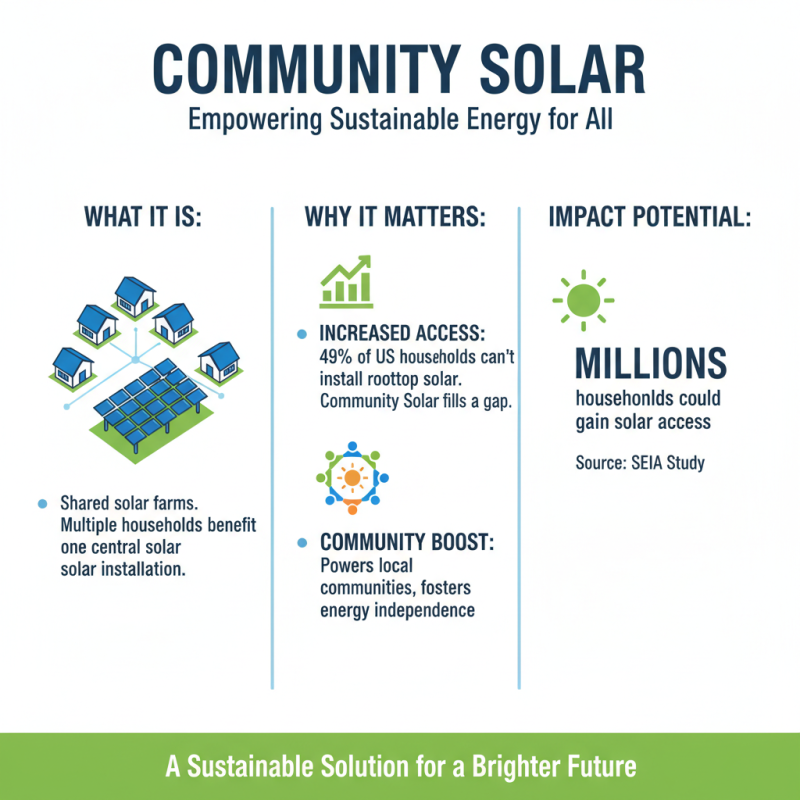
Community solar programs are gaining popularity as a sustainable energy solution. These initiatives allow multiple households to share a single solar array. Participants benefit from clean energy without needing to install solar panels on their roofs. This approach makes solar power accessible to renters and those with shady roofs.
In community solar, members often pay for a portion of the energy produced. This can lead to a significant reduction in electricity costs. However, not all community solar projects are created equal. Some might have hidden fees or unclear contracts. It is crucial for potential participants to read the fine print and ask questions.
Community solar fosters a sense of collective responsibility. When local communities invest together, they create a shared vision for a sustainable future. Still, challenges remain. Awareness of these programs varies significantly across regions. Not all communities have the resources to establish their own projects. Engaging local governments and stakeholders is vital to overcoming these barriers.
Key Benefits of Community Solar for Local Communities and the Environment
Community solar has emerged as a vital solution for sustainable energy. By allowing groups of people to share solar power, it boosts local communities. A study by the Solar Energy Industries Association indicated that community solar programs could increase solar energy access for millions of households. With about 49% of U.S. households unable to install rooftop solar, community solar fills this gap.
The environmental benefits are clear. Community solar projects can lower carbon emissions significantly. For instance, one megawatt of community solar can offset as much as 1,400 tons of CO2 annually. This is equivalent to the emissions from nearly 300 cars. However, these projects also face challenges. Local policies may limit development. In some areas, residents struggle to participate due to lack of awareness. Addressing these barriers is crucial.
Economic impacts also deserve attention. Community solar can create jobs and stimulate local economies. The National Renewable Energy Laboratory reported that solar job growth is projected at 20% per year. Yet, financing can be tricky. High upfront costs often deter participation. Balancing affordability with sustainability remains a pressing issue. Community solar holds promise, but its full potential requires ongoing efforts and community engagement.
Market Growth: The Rise of Community Solar in Renewable Energy Sector
The community solar market is rapidly growing. More people recognize its potential for providing clean energy. Solar energy can reduce reliance on fossil fuels and lower utility bills. Many communities see solar as a viable solution to energy challenges.
One significant advantage of community solar is accessibility. Not everyone can install solar panels on their homes. Some may rent, while others lack suitable roofs. Community solar projects fill this gap. Members can subscribe to share energy from a centralized solar array. They benefit from clean power without the upfront costs of installation.
However, challenges remain. Not all regions have supportive regulations. Some communities struggle to identify financing options. Awareness and education are vital for growth. Overcoming these hurdles can help community solar thrive further. More participation can lead to stronger local energy resilience. Efforts to engage more people are necessary for success.
Market Growth: The Rise of Community Solar in Renewable Energy Sector
The chart above illustrates the growth of community solar capacity installed from 2018 to 2023, reflecting the increasing adoption of renewable energy sources as communities seek sustainable energy solutions.
Economic Impact: How Community Solar Reduces Energy Costs for Participants
Community solar projects are transforming the energy landscape. They allow participants to access renewable energy without the need for individual solar installations. According to a report by the National Renewable Energy Laboratory, community solar can reduce energy costs for participants by up to 10-20%. This cost reduction is significant for families on tight budgets.
Moreover, these projects provide flexibility. Residents can subscribe to a local solar farm instead of owning expensive solar panels. This model opens doors for renters and those living in multifamily units. A study conducted by the Solar Energy Industries Association highlights how such initiatives can create local jobs. They estimated around 19,000 jobs could be generated annually through community solar options.
However, not all areas have equal access to these resources. Some regions still lack the infrastructure. Barriers like regulatory challenges exist. This uneven availability raises questions about equity and inclusion in the renewable energy transition. Many communities are pushing for solutions to overcome these hurdles. Access to affordable energy remains a critical concern.
Why Choose Community Solar for Sustainable Energy Solutions? - Economic Impact: How Community Solar Reduces Energy Costs for Participants
| Participant Location |
Annual Energy Savings ($) |
Percentage Reduction in Energy Costs |
Community Solar Array Size (kW) |
Benefits to Local Economy |
| City A |
$300 |
20% |
100 |
Job creation, increased local investment |
| City B |
$450 |
25% |
200 |
Local business growth, community development |
| City C |
$250 |
15% |
150 |
Enhanced energy resilience, reduced poverty |
| City D |
$350 |
22% |
250 |
Environmental sustainability, energy independence |
| City E |
$400 |
23% |
300 |
Economic stability, community engagement |
Comparative Analysis: Community Solar vs. Traditional Solar Energy Solutions
Community solar has emerged as a practical solution for many who want sustainable energy without the complexities of traditional solar setups. A report by the National Renewable Energy Laboratory (NREL) indicates that only about 20% of households can host solar panels due to various restrictions. In contrast, community solar allows participants to harness solar energy by subscribing to shared systems, making renewable power more accessible.
Traditional solar might seem straightforward, yet it often requires significant upfront investment and extensive installation processes. In fact, homeowners can expect to spend an average of $15,000 to $25,000. This can deter many potential users. Community solar offers lower barriers, often requiring no upfront costs. Participants can enjoy the benefits of solar energy by simply enrolling, often saving around 10-20% on their electricity bills.
However, community solar does have limitations. Not all programs are available in every region. Some areas lack sufficient projects to meet demand. Additionally, the subscription model can sometimes lead to misunderstandings about energy credits. These factors highlight the need for clear communication and awareness among potential users. While both options aim towards sustainability, community solar presents an innovative route that struggles with implementation in various locations.