10 Best Home Solar Solutions for Sustainable Energy Savings?
Harnessing the power of the sun is not just a trend; it's a necessity for sustainable living. Renowned expert in renewable energy, Dr. Emily Carter, emphasizes, "Home solar solutions are key to reducing our carbon footprint and energy bills." This statement reflects a growing awareness of the impact of residential solar systems in creating a greener future.
Home solar solutions are becoming increasingly popular among homeowners. They offer potential savings on energy costs while promoting eco-friendly practices. Many people still hesitate, fearful of the initial investment. However, consider the long-term benefits which often outweigh upfront costs. The technology has evolved, making solar panels more accessible and efficient. Still, some homeowners remain skeptical about their reliability and performance.
Effective home solar solutions can transform energy consumption habits. They allow households to produce their own energy, reducing reliance on fossil fuels. But it’s essential to approach this transition thoughtfully. Each home has unique energy needs and space constraints. A one-size-fits-all solution rarely exists. This complexity encourages a deeper evaluation of the options available.
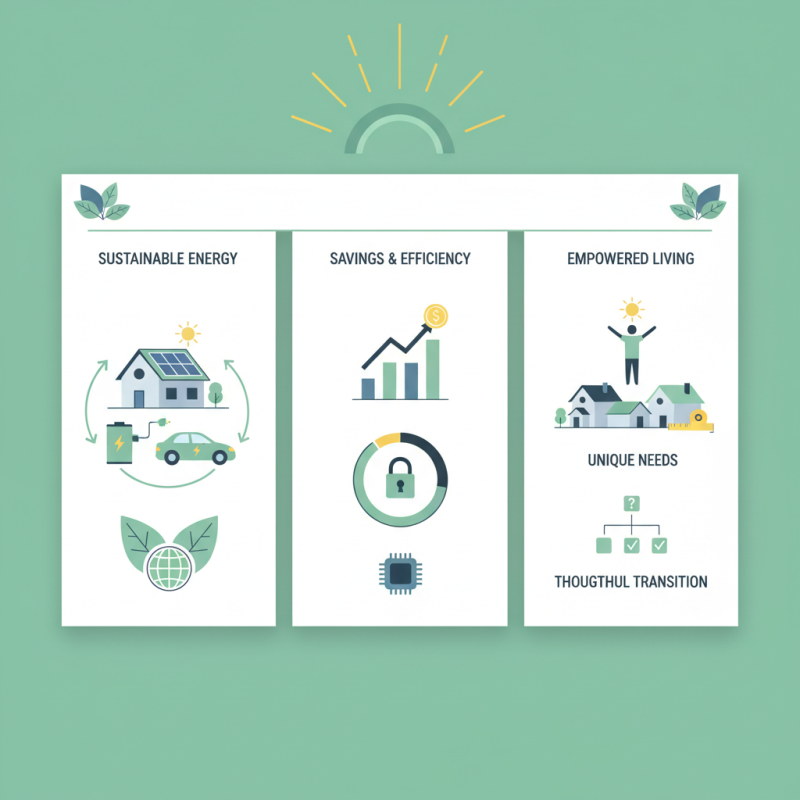
Top Considerations for Choosing Home Solar Solutions
When choosing home solar solutions, it's essential to evaluate several key factors. One crucial aspect is the overall efficiency of the solar panels. According to the U.S. Department of Energy, traditional solar panels convert about 15-20% of sunlight into energy. However, newer models may achieve efficiency rates exceeding 22%. This improvement can lead to significant energy savings over time.
Another important consideration is the local climate. Areas with high solar insolation, like the southwestern U.S., can maximize energy production. In contrast, regions with prolonged cloudy periods may yield limited benefits. The National Renewable Energy Laboratory reports that location plays a pivotal role in system effectiveness. Homeowners should conduct a thorough site assessment before installation.
Cost is also a significant factor. Though initial expenses can be high, the long-term savings often outweigh the upfront investment. Industry reports indicate that solar energy can reduce electric bills by 50-80%. Additionally, financing options are available, but the terms can vary widely. It's vital to analyze these options carefully. Transparency in pricing from installers is often lacking, which requires vigilance on the homeowner's part.
Types of Home Solar Systems: Pros and Cons
Home solar systems come in various types, each with unique advantages and drawbacks. The three main types are grid-tied, off-grid, and hybrid systems. Grid-tied systems are popular due to their cost-effectiveness. They connect to the local utility grid and allow homeowners to sell excess energy back. However, during a power outage, these systems do not provide backup power. As noted in the Solar Energy Industries Association report, around 90% of solar installations in the U.S. are grid-tied, largely due to lower upfront costs.
Off-grid systems offer complete energy independence. They operate without relying on the grid, making them ideal for remote locations. Yet, upfront costs can be high as these systems require batteries for energy storage. A study by NREL indicates that off-grid systems can reach a cost of nearly $30,000. These systems need careful planning and maintenance, which can be challenging for some homeowners. Hybrid systems attempt to combine the benefits of both, but they may have complex setups and higher installation costs.
Choosing the right solar system depends on individual needs. Budget constraints, energy consumption patterns, and specific location factors all play critical roles. Some homeowners may find that the upfront investment outweighs long-term savings. Others may appreciate the control over their energy sources, despite the technical challenges. Each system has room for improvement, highlighting the importance of thorough research before making a decision.
10 Best Home Solar Solutions for Sustainable Energy Savings
| Type of Solar System |
Pros |
Cons |
| Grid-Tied Solar System |
Lower installation costs; Net metering benefits |
No backup power during outages |
| Off-Grid Solar System |
Independence from utility grid; Great for remote areas |
Higher initial costs; Battery maintenance |
| Hybrid Solar System |
Combination of grid and battery backup; Flexible usage |
Complex installation; Higher cost |
| Solar Water Heating |
Efficient for hot water; Low maintenance costs |
Limited to water heating; Weather dependent |
| Building-Integrated Photovoltaics (BIPV) |
Aesthetic integration into building design; Dual-purpose |
Higher upfront costs; Lower efficiency |
| Solar Skins |
Customizable appearance; Efficient solar performance |
Higher price point; Limited availability |
| Concentrated Solar Power (CSP) |
High efficiency; Large-scale energy production |
Requires significant space; High setup costs |
| Thin-Film Solar Panels |
Lightweight; Flexible installation options |
Lower efficiency; Occupies more space for same output |
| Solar Inverters |
Essential for solar systems; Improves energy efficiency |
Can be costly; Limited lifespan |
Financial Incentives and Rebates for Solar Energy
Choosing solar energy for your home can be a smart financial decision. Various financial incentives and rebates exist for homeowners. These can significantly reduce the initial investment costs. Many states offer tax credits. Check local programs for additional savings.
Tips: Consult with a solar energy advisor. They can help identify available incentives in your area. This might save you time and money. Document all energy needs before installation.
The path to solar energy isn’t always clear. Some incentives change frequently. It’s crucial to stay updated on local policies. Many homeowners miss out on rebates due to lack of information. Researching online can provide valuable insights. Knowing how to navigate these opportunities makes a difference.
Tips: Attend local workshops about solar energy. They often cover financing options and rebates. Engaging with your community may reveal additional resources. Don’t hesitate to ask questions; clarity is essential for making the right choices.
Maintenance Tips for Maximizing Solar Energy Efficiency
Maintaining your home solar system is crucial for peak performance. Regular cleaning of solar panels can significantly boost their efficiency. Dust and debris can block sunlight. A simple rinse with water can often be enough. However, too much water pressure can cause damage. Check your panels monthly to ensure they remain clear.
Inverter maintenance is equally important. These devices convert solar energy into usable electricity. If they malfunction, energy production drops. Regularly check the display for error messages. If something seems off, consult a professional. The inverter usually requires replacement every five to ten years. Plan for this expense in your budget.
Another often-overlooked aspect is shading. Trees, buildings, and other structures may cast shadows on your panels. This can reduce efficiency. Trim any overhanging branches periodically. This may take time but ensures optimal performance. Be mindful of how the sun moves throughout the day. Adjustments may be necessary seasonally.
Energy Savings from Home Solar Solutions