Best Commercial Solar Panel Solutions for Your Business?
In today's competitive landscape, businesses seek sustainable solutions to meet energy needs. Commercial solar panels have gained traction as a viable option. These systems harness solar energy to reduce reliance on traditional power sources, ultimately lowering operational costs. Companies that adopt this technology often benefit from financial incentives and tax credits.
Yet, choosing the right commercial solar panel can be daunting. Not all panels offer the same efficiency or longevity. Some businesses may feel overwhelmed by available options. It requires a thoughtful approach to assess energy needs, budget constraints, and panel specifications. Partnering with credible experts in the field can guide companies towards informed decisions.
Moreover, the installation process can also present challenges. Understanding local regulations, potential site limitations, and proper maintenance is essential. Businesses must reflect on these factors to fully leverage the benefits of commercial solar panels. Embracing solar energy not only contributes to environmental sustainability but also positions companies as forward-thinking leaders in their industries.
Understanding the Importance of Solar Energy for Businesses
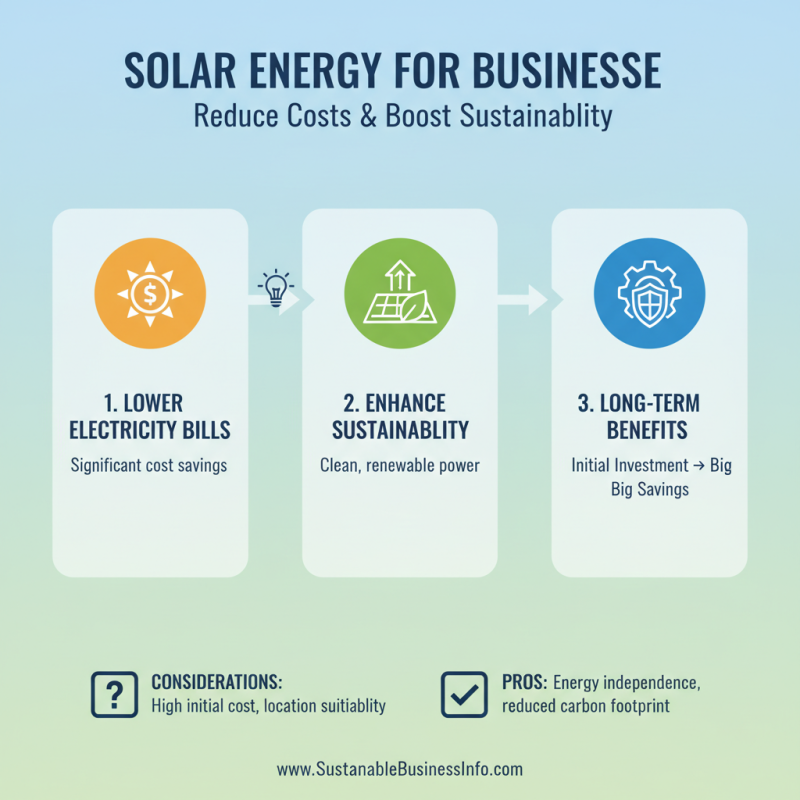
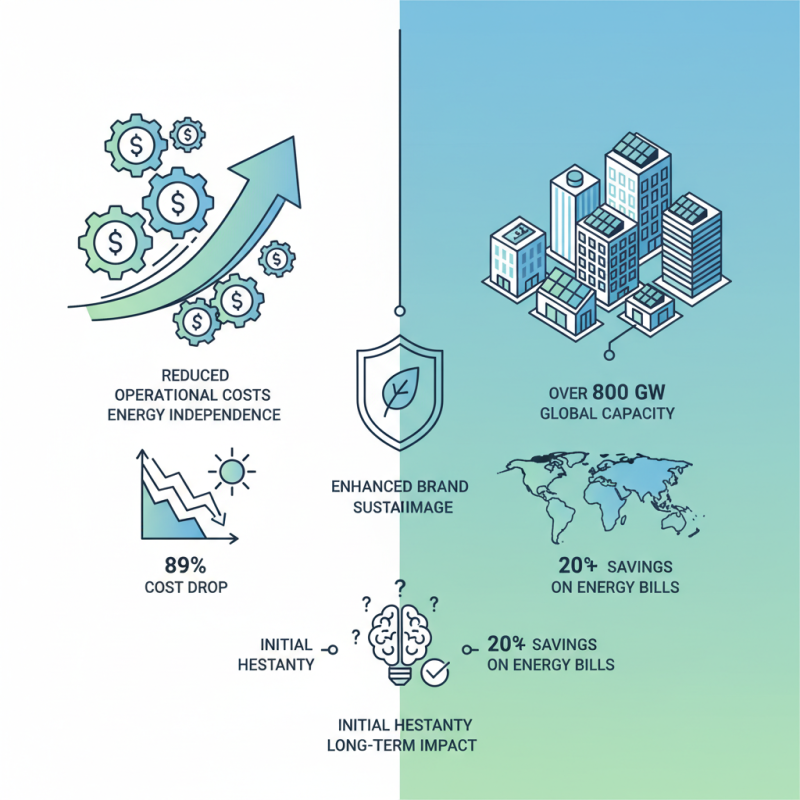
Solar energy has become increasingly important for businesses aiming to reduce costs and enhance sustainability. Harnessing solar power can dramatically lower electricity bills. This process involves installing commercial solar panels on business rooftops or properties. The initial investment can be high, and not all locations are ideal for solar. However, the long-term benefits often outweigh these concerns.
Transitioning to solar energy can bolster a business's reputation. Clients and customers value eco-friendly practices. A company using renewable energy can attract more environmentally conscious consumers. However, companies must also consider the intermittency of solar power. There may be days with less sunlight, affecting energy production. This limitation necessitates a comprehensive energy strategy to ensure reliability.
Understanding solar energy's role is key for modern enterprises. While solar solutions offer numerous benefits, they require thoughtful implementation. Businesses might need to adapt their operations to optimize energy use. Continuous evaluation of energy needs and production capabilities is essential. Finding the right balance can lead to significant improvements, but it requires constant reflection and adjustment.
Types of Commercial Solar Panels Available for Business Use
When considering solar solutions for commercial use, it’s important to understand the different types of solar panels available. There are primarily three types: monocrystalline, polycrystalline, and thin-film solar panels. Monocrystalline panels are known for their high efficiency and sleek design. Businesses often favor them for limited space. However, they can be more expensive upfront.
Polycrystalline panels are a popular choice due to their balance of cost and efficiency. They are made from multiple silicon crystals, making them less efficient but more affordable. This option is suitable for larger installations where space isn’t a constraint. Despite the lower efficiency, many businesses find them a practical solution.
Thin-film panels offer another alternative, with the advantage of flexibility and lightweight design. They can be integrated into various surfaces, like rooftops or even windows. However, they typically have lower efficiency and require more space. Business owners need to weigh the benefits and drawbacks of each type. Selecting the right panel type depends on energy needs and budget constraints. It's crucial to review each option thoroughly before making any investments.
Best Commercial Solar Panel Solutions for Your Business? - Types of Commercial Solar Panels Available for Business Use
| Type of Solar Panel |
Efficiency (%) |
Lifespan (years) |
Cost per Watt ($) |
Best Use Case |
| Monocrystalline |
15-22% |
25-30 |
$0.70 - $1.00 |
Space-constrained areas |
| Polycrystalline |
13-16% |
20-25 |
$0.60 - $0.90 |
Large scale deployment |
| Thin-Film |
10-12% |
10-20 |
$0.50 - $0.70 |
Flexible applications |
| Bifacial |
16-24% |
25-30 |
$0.80 - $1.10 |
High energy yield environments |
Factors to Consider When Choosing Solar Panel Solutions
When selecting solar panel solutions for your business, several factors come into play. The installation space is crucial. Measure your roof or land area. Different panels have varying efficiency levels. Ensure you choose panels that maximize the energy output relative to the available space.
Consider your energy needs. Analyze past electricity bills to determine your consumption patterns. This data helps you choose the right system size. Engage a solar expert for a tailored analysis. Also, think about the climate in your area. Solar performance varies with weather. A solution that works in sunny regions might not be effective in cloudier climates.
Evaluate the installation company's expertise. Look for firms with a solid track record and customer reviews. It's essential they have experience with commercial installations. Seek warranties that assure reliability and performance. Remember, there can be unexpected issues post-installation. Finding the right partner mitigates risks involved in adopting solar energy solutions.
Evaluating Cost-Effectiveness and Return on Investment
Evaluating the cost-effectiveness of commercial solar panel solutions is crucial for business owners. Installing solar panels can reduce energy expenses significantly. Many businesses aim to cut costs while increasing sustainability. However, the initial investment can be daunting. Understanding the long-term benefits can help.
A detailed analysis of the ROI is essential. Most companies see returns through energy savings and tax incentives. Savings vary based on location, energy consumption, and installation costs. Some businesses report payback periods of five to seven years. However, unexpected expenses can arise during installation. Proper planning is key to minimizing these risks.
Companies must also consider maintenance costs. While solar systems are low maintenance, regular checks are necessary. Some might underestimate these ongoing expenses. It’s wise to allocate a portion of savings for future upkeep. An accurate assessment of potential savings and costs can guide a business decision. Investing in solar energy requires thoughtful evaluation and calculations for real benefit.
Tips for Successful Solar Panel Installation and Maintenance
Installing solar panels can be a transformative decision for businesses. However, successful installation and maintenance require careful planning and execution. Here are some essential tips to ensure your solar panel system is effective and long-lasting.
Choose the right location for your solar panels. Ensure they receive ample sunlight throughout the day. Avoid areas with obstructions like trees or buildings. Consider the angle of installation; it can greatly affect energy production. Regular monitoring of panel performance is crucial. If you notice any drop in efficiency, it may indicate a need for cleaning or maintenance. Dust and debris can accumulate, blocking sunlight and reducing energy output.
Schedule routine maintenance checks. Inspect your system for signs of damage, wiring issues, or weather impacts. Engaging a certified technician can provide peace of mind. However, even DIY checks can reveal small issues before they escalate. It is essential to document all maintenance activities. This helps track performance trends and informs future upgrades or repairs. Reflecting on your solar system's performance and maintenance history can guide better decision-making for the business's energy needs.
Solar Panel Energy Production by System Size