Top 10 Benefits of Solar Panel System for Your Home and Environment?
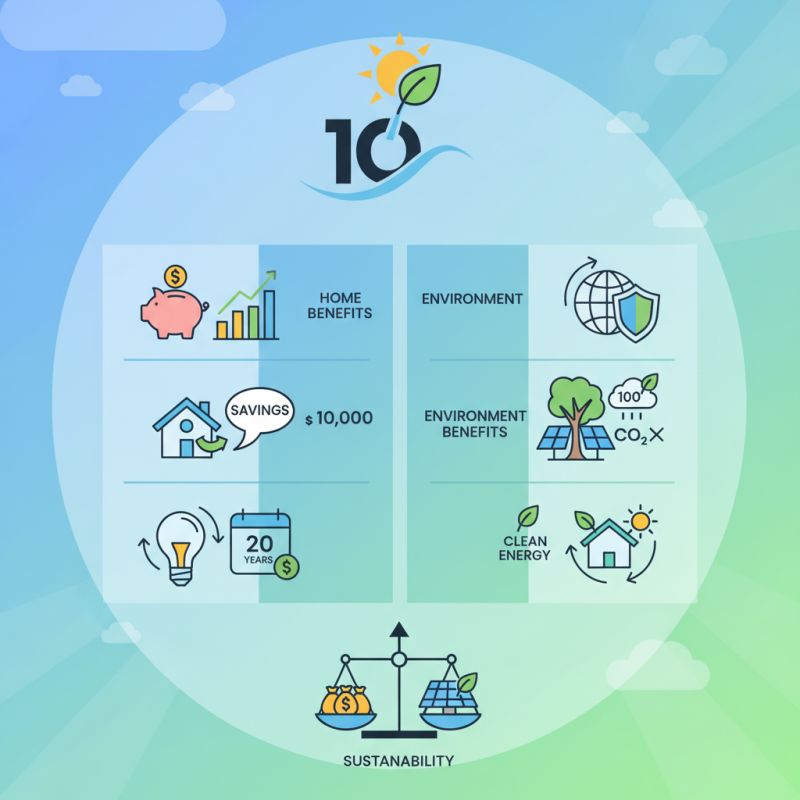
The adoption of a solar panel system has surged in recent years. According to the Solar Energy Industries Association, solar installations grew by 43% in 2020 alone. This growth reflects a rising awareness of both environmental benefits and cost savings for homeowners. With an average savings of $10,000 on electricity bills over 20 years, the financial incentives are considerable.
Installing a solar panel system also reduces carbon emissions significantly. Studies show that a typical residential solar system can offset over 100 tons of carbon dioxide over its lifespan. This reduction plays a crucial role in combating climate change. However, many still underestimate its impact. The commitment to a cleaner environment must start at home.
Despite the clear advantages, the initial investment can be daunting. Homeowners often hesitate due to upfront costs. Incentives like tax credits help, but obstacles remain. A honest assessment is required to weigh short-term costs against long-term savings while embracing the shift towards sustainable energy.
Top 10 Benefits of Solar Panel Systems for Homeowners and the Environment
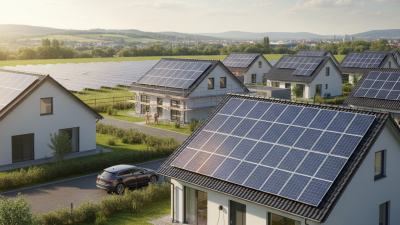
Solar panel systems offer numerous benefits to homeowners and the environment alike. For homeowners, installing solar panels can significantly reduce electricity bills. According to the U.S. Department of Energy, homeowners can save anywhere from $10,000 to $30,000 over the lifespan of their panels. This reduction not only eases financial pressure but also enhances energy independence. Systems can often pay for themselves within 5 to 10 years, depending on the location and financing options.
On the environmental side, solar energy plays a critical role in reducing carbon footprints. The Environmental Protection Agency estimates that solar panels can offset approximately 100,000 pounds of carbon dioxide emissions over 30 years. This is equivalent to planting over 2,500 trees. However, it’s essential to consider the entire lifecycle of solar panels, including production and disposal. While they offer substantial environmental advantages, concerns over rare minerals and e-waste need attention. Transitioning to solar is a step forward, but refinements in production are necessary for a truly sustainable future.
Reduction in Electricity Bills: How Solar Panels Cut Costs by Up to 50%
A solar panel system can significantly reduce electricity bills. Homeowners can cut costs by up to 50%. According to a report by the National Renewable Energy Laboratory, residential solar users save an average of $1,500 annually. This is an attractive incentive for many households.
It's important to note that savings vary based on location and utilization patterns. States with higher electricity rates see greater benefits. Average electricity rates in California are around $0.25 per kWh, while in some areas of Texas, it’s about $0.10. This discrepancy can influence the payoff period of solar investments.
Tips to maximize savings:
- Monitoring energy usage.
- An energy audit can reveal where you waste power.
- Consider using energy-efficient appliances.
Simple changes can enhance the return on your solar investment. Fluctuations in energy prices should also be considered. A long-term view can lead to better decisions. However, potential buyers need to think critically. Solar is not a one-size-fits-all solution, and regional regulations can impact the decision.
Environmental Impact: Solar Power and Its Role in Reducing Carbon Emissions
Solar power plays a crucial role in reducing carbon emissions. By harnessing energy from the sun, we can minimize our reliance on fossil fuels. This shift has significant environmental benefits. For instance, one solar panel system can prevent approximately 100 tons of carbon dioxide from entering the atmosphere over its lifetime. These reductions are vital for combating climate change.
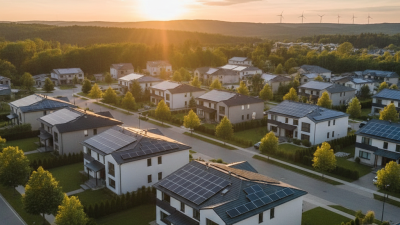
Installing solar panels in residential areas can create a cleaner neighborhood. Local air quality improves when fewer emissions are produced. However, the installation process can be complex and may not be perfect at first. Some homeowners report issues related to positioning or efficiency. It's essential to research thoroughly and consider various factors.
Moreover, while solar technology is advancing, it’s not entirely free of environmental impact. The manufacturing process of solar panels involves extracting raw materials, which can harm ecosystems. Therefore, a balance must be sought. Investing in solar energy should also include a commitment to sustainable practices throughout the entire lifecycle of the systems we deploy.
Increase in Property Value: How Solar Panels Enhance Home Resale Prices
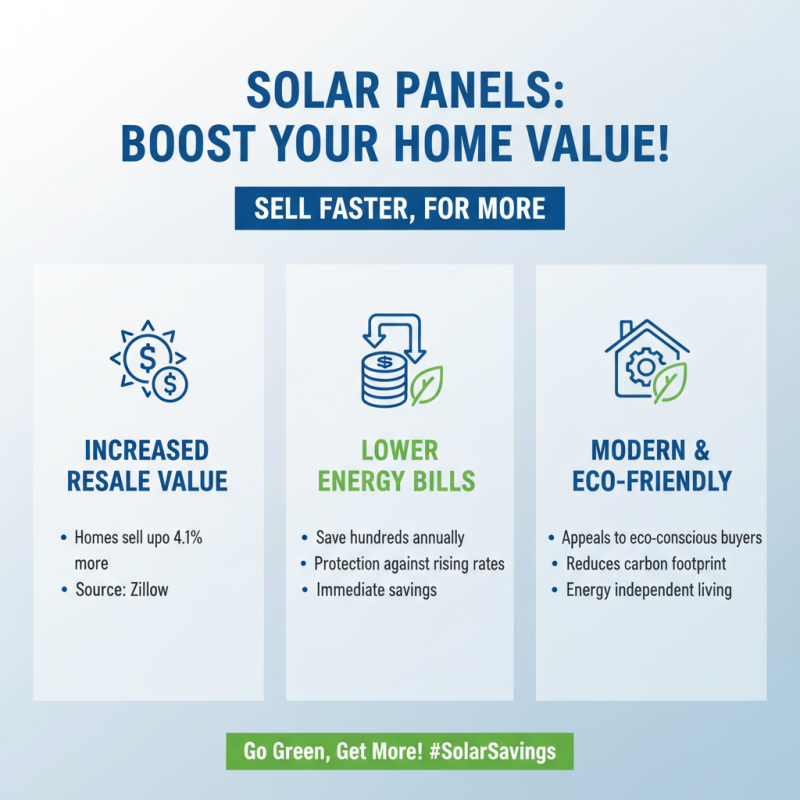
Installing solar panels can significantly increase your home's resale value. Many buyers view homes with solar systems as more attractive. This is due to the promise of lower energy bills and environmental benefits. A solar panel system shows that your home is modern and energy-efficient. Homes with these systems often sell faster and at higher prices than those without.
Research indicates that properties with solar panels can sell for thousands more. This increase in value varies by region, but the trend is clear. Buyers are willing to pay a premium for residences that align with sustainability goals. However, not all solar installations add equal value. Factors such as age, efficiency, and maintenance play a role. Homes with poorly maintained systems can deter buyers.
While installing solar panels is a smart investment, thorough planning is essential. The initial costs can be substantial, but many find long-term savings rewarding. It's crucial to assess your specific situation. Will the panels deliver the promised savings? Is your roof suitable for installation? Taking these factors into account can help maximize the resale value of your home.
Energy Independence: The Role of Solar in Reducing Reliance on Fossil Fuels
Solar energy is more than just a trend. It represents a shift towards energy independence. By installing solar panels, you significantly reduce reliance on fossil fuels. This independence not only protects you from fluctuating energy prices but also contributes to a healthier environment. With solar energy, families can generate their electricity, decreasing their carbon footprint.
Tips: Start by assessing your home’s sunlight exposure. Consider the size of your roof and any shading from trees or buildings. This will help determine your potential solar energy production. A detailed energy audit can also highlight your energy needs, guiding you in system selection.
Transitioning to solar isn't always straightforward. Some homeowners face initial financial hurdles. Additionally, system maintenance, while low, isn’t zero. Regular checks are necessary to ensure efficiency. Finding reliable information about solar energy can be tricky. Engage with local communities or online forums for insights and experiences. Every little step towards solar energy supports a collective gain in energy independence.
Conclusion
A solar panel system offers numerous benefits for both homeowners and the environment, making it an increasingly popular choice for sustainable living. One of the standout advantages is the significant reduction in electricity bills, with potential savings of up to 50%. Furthermore, solar power plays a crucial role in minimizing carbon emissions, contributing to a healthier planet.
In addition to economic and environmental benefits, installing a solar panel system can enhance property value, ensuring homes are more attractive to potential buyers. It also promotes energy independence by reducing reliance on fossil fuels. Homeowners can take advantage of various government incentives, such as tax credits and rebates, making solar installations more affordable than ever. Overall, investing in a solar panel system is a smart decision that pays off financially while supporting a greener future.